
Menu

Blog — Vedron

Creating a shipping label is not the hard part. Every carrier has a way. The hard part is what happens after: getting the resulting tracking number back onto the right order on every marketplace that order came from, without someone copying and pasting across half a dozen seller dashboards.

Why this becomes a real bottleneck at volume

At low volume, creating a label and updating tracking on one marketplace is a two-minute task. Multiply by several marketplaces per order and dozens of orders a day, and it becomes repetitive work that either eats staff time or quietly falls behind. Customers see “processing” days after the order shipped.

What a shipping integration needs

Connect to each carrier’s API to create the shipment and generate the label — not a manual portal login per shipment. Capture the real tracking number the carrier returns. Push that tracking number back to whichever marketplace the order came from, through that marketplace’s own fulfilment API.

What runs today in Vedron

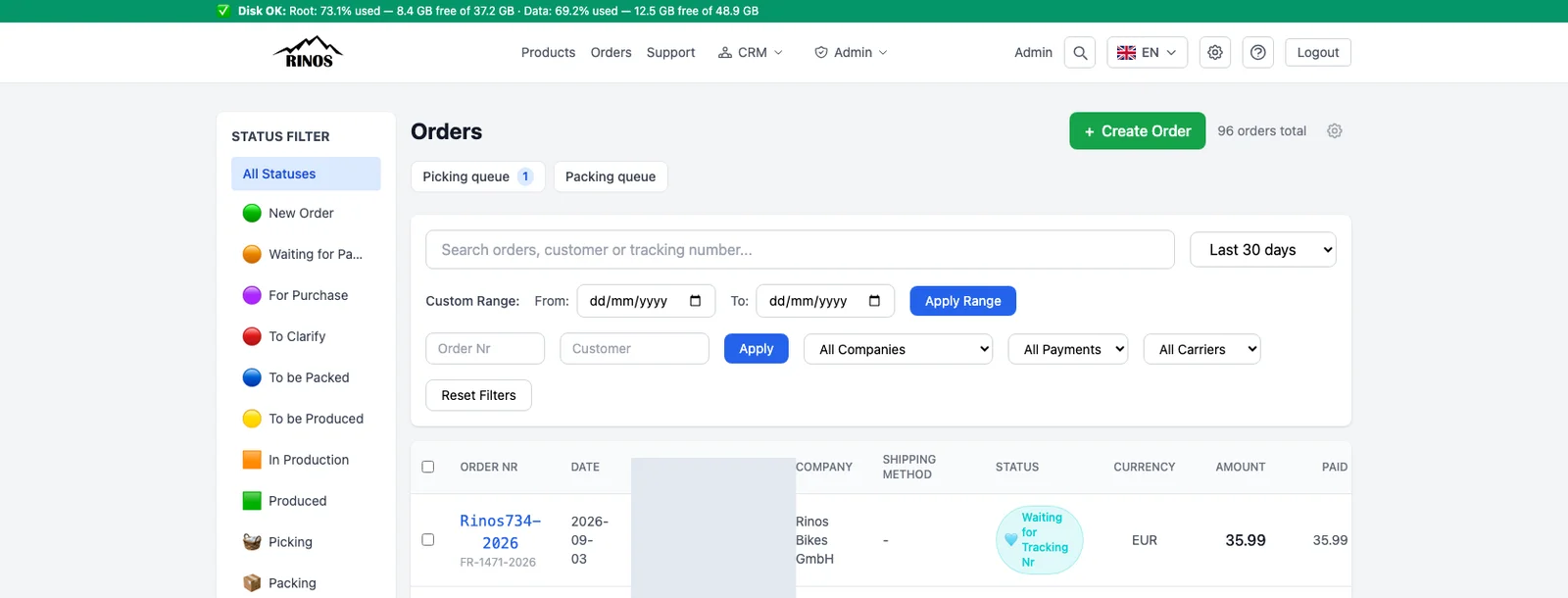
Vedron connects directly to DPD, DHL, FedEx and InPost through their own shipping APIs — creating shipments and generating labels through each carrier’s authenticated API rather than a manual portal. Once a shipment is created, the tracking number syncs out to whichever marketplace the order came from: Amazon, eBay, Allegro, Shopify, Kaufland, eMAG, Bol, CDON and others.

Direct about scope: this does not include automatic “cheapest carrier” rate comparison today. Carrier selection for a shipment or batch is a deliberate choice, not something the system picks on price. If minimising shipping cost per order is a priority, that is manual in the current version.

Common questions

Does this support return shipments? Return shipment creation is supported for DPD specifically; coverage varies by carrier, worth checking against your carrier mix.

What if a marketplace’s tracking-sync toggle is off? Tracking is still created and stored against the order; it just does not auto-push to that specific marketplace. Useful if you want to review before sending.

Can I add a carrier that is not in this list? Each carrier is its own integration against a real shipping API, so adding one not currently connected is real integration work, not a configuration toggle. Worth a direct conversation if a specific carrier is a hard requirement.

Talk to us about your setup

Book a short call. Beta clients get two months of custom setup on us.

All posts

Shipping labels and tracking — DPD, DHL, FedEx and InPost, with tracking numbers that sync back to every marketplace

02. Juni 20262 min read
Shipping labels and tracking — DPD, DHL, FedEx and InPost, with tracking numbers that sync back to every marketplace

Creating a shipping label is not the hard part. Every carrier has a way. The hard part is what happens after: getting the resulting tracking number back onto the right order on every marketplace that order came from, without someone copying and pasting across half a dozen seller dashboards.

Why this becomes a real bottleneck at volume

At low volume, creating a label and updating tracking on one marketplace is a two-minute task. Multiply by several marketplaces per order and dozens of orders a day, and it becomes repetitive work that either eats staff time or quietly falls behind. Customers see “processing” days after the order shipped.

What a shipping integration needs

Connect to each carrier’s API to create the shipment and generate the label — not a manual portal login per shipment. Capture the real tracking number the carrier returns. Push that tracking number back to whichever marketplace the order came from, through that marketplace’s own fulfilment API.

What runs today in Vedron

Vedron connects directly to DPD, DHL, FedEx and InPost through their own shipping APIs — creating shipments and generating labels through each carrier’s authenticated API rather than a manual portal. Once a shipment is created, the tracking number syncs out to whichever marketplace the order came from: Amazon, eBay, Allegro, Shopify, Kaufland, eMAG, Bol, CDON and others.

Direct about scope: this does not include automatic “cheapest carrier” rate comparison today. Carrier selection for a shipment or batch is a deliberate choice, not something the system picks on price. If minimising shipping cost per order is a priority, that is manual in the current version.

Common questions

Does this support return shipments? Return shipment creation is supported for DPD specifically; coverage varies by carrier, worth checking against your carrier mix.

What if a marketplace’s tracking-sync toggle is off? Tracking is still created and stored against the order; it just does not auto-push to that specific marketplace. Useful if you want to review before sending.

Can I add a carrier that is not in this list? Each carrier is its own integration against a real shipping API, so adding one not currently connected is real integration work, not a configuration toggle. Worth a direct conversation if a specific carrier is a hard requirement.

Talk to us about your setup

Book a short call. Beta clients get two months of custom setup on us.

Did you enjoy this article?